Wearable sleep trackers are using your brainwaves to train AI models without explicit user consent
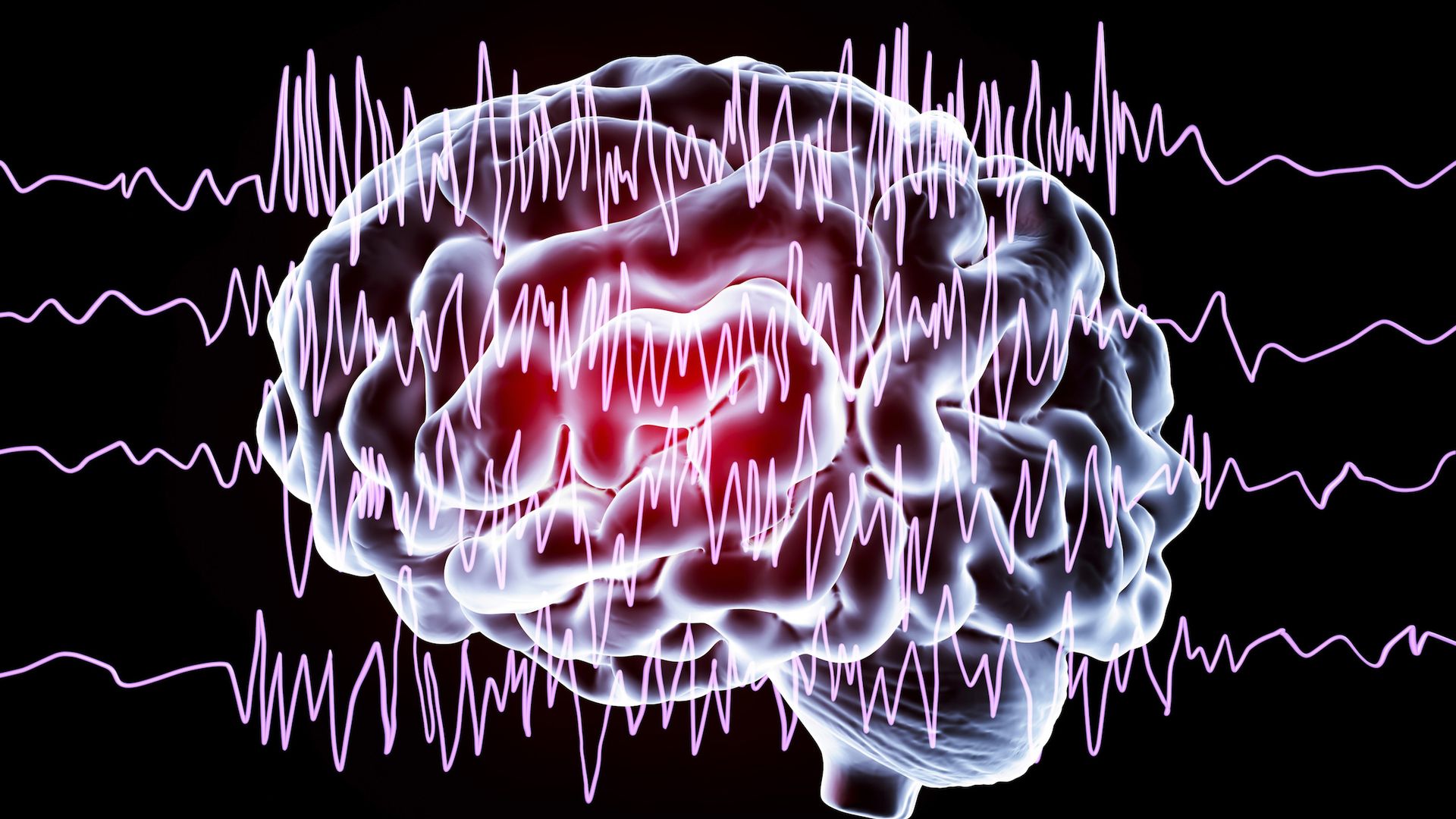
Your sleep data might be doing double duty. While wearable headbands promise to help users understand their sleeping patterns, some of the companies behind them are also turning the electrical signals collected from their customers' brains into training material for artificial intelligence models. Science recently conducted an investigation alongside Pulitzer Center's AI Accountability Network and found that the customer neurology companies have accumulated tens of millions of hours of electroencephalography (EEG) recordings — a rather technical way of saying brain-wave data. As per the findings, several are using those recordings to develop so-called brain foundation models, despite initially failing to spell out that use in their privacy policies.
Interaxon, the Canadian firm behind the Muse sleep and meditation headband, is one of them. Its devices monitor electrical activity in the brain, alongside other physiological measurements, while users sleep. The recordings are processed into reports that help customers track their rest and identify changes in their sleeping patterns. …
You're reading a preview. The full article is published by Tom's Hardware on their website.
Read the full story on Tom's Hardware